
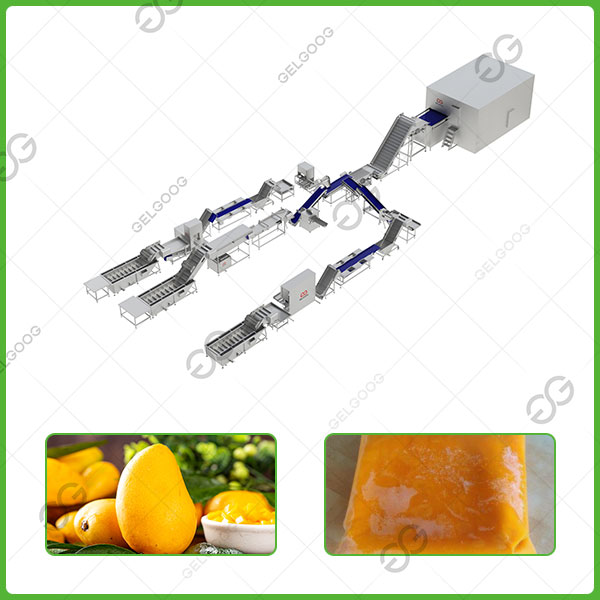
Frozen mango pulp is a mango product made primarily from fresh mangoes through processes such as washing, peeling and pitting, pulping, filtering, pasteurizing, filling, and flash-freezing. Compared to the direct sale of fresh mangoes, frozen mango pulp extends the processing and utilization of the fruit beyond the fresh-market season while facilitating transport, storage, and subsequent industrial use; consequently, it is widely used in products such as beverages, fruit juices, and ice cream.
Constructing a frozen mango pulp processing line not only enhances the comprehensive utilization rate of raw mangoes but also transforms seasonal fruit into standardized semi-finished products, providing downstream food enterprises with a stable supply of mango raw materials.
Main Processing Steps For Frozen Mango Pulp:
Mango acceptance → Washing → Grading → Peeling/Pitting → Pulping → Filtration → Pasteurization → Filling → Flash freezing → Cold storage
1. Mango Acceptance
Mangoes are screened based on ripeness, appearance, flesh condition, and processing requirements. As different mango varieties vary in flesh yield, fiber content, and ripening characteristics, the selection of raw materials directly impacts the taste and quality of the final mango pulp.
2. Washing and Grading
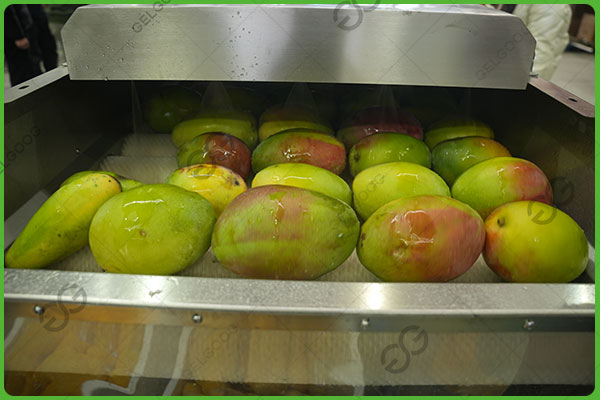
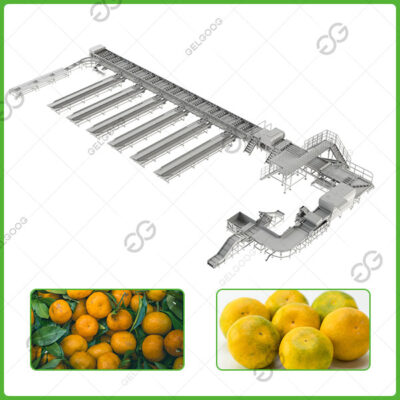
Upon entering the frozen mango pulp production line, the mangoes undergo washing to remove surface impurities. Subsequently, they are graded based on size, ripeness, and quality, ensuring greater uniformity among the raw materials proceeding to the next stages of processing.
3. Peeling/Depitting
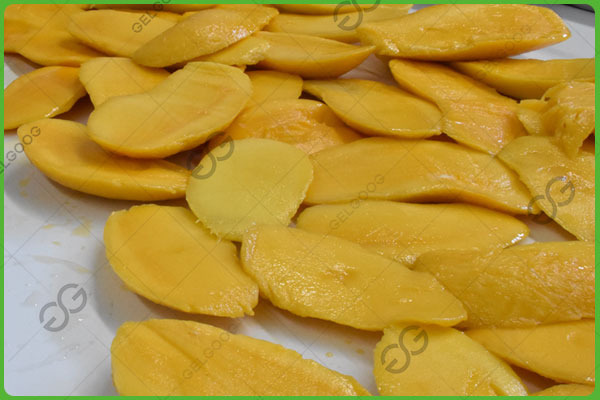
Mechanical equipment is used to remove the peel and pit, allowing the fruit flesh to proceed to the subsequent pulping stage.
4. Pulping and Filtration
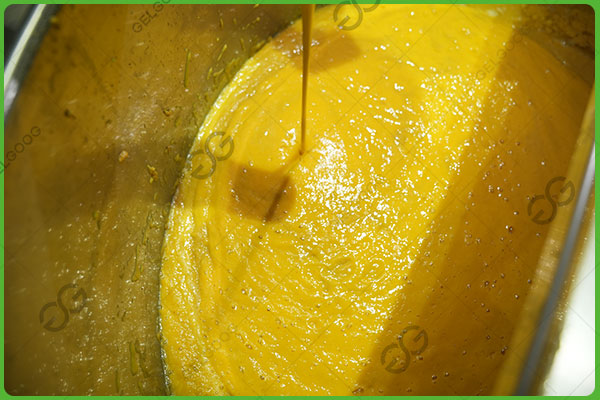
The fruit flesh is processed into a uniform pulp, which is then passed through filtration equipment to remove coarse fibers, residual peel, and other unwanted particles, resulting in a smoother mango pulp.
5. Pasteurization
Reduces microbial risk through controlled temperature and time, while preserving the mango’s original color, aroma, and flavor as much as possible.
6. Filling and Quick-Freezing
After pasteurization, the mango pulp is filled into compliant packaging containers using filling equipment and then enters a quick-freezer to rapidly lower the product temperature. Rapid freezing helps shorten the time the product spends passing through the freezing zone, thereby preparing it for subsequent frozen storage.
Key Equipment for the Frozen Mango Pulp Processing Line:
Depending on production scale and product requirements, the frozen mango pulp production line can be configured in a modular manner; the main equipment includes:
- Washing machine: Used to remove impurities and contaminants from the surface of the mangoes, providing clean raw material for subsequent processing.
- Peeling and destoning machine: Separates the mango skin and pit, reducing manual labor and enhancing continuous production capacity.
- Mango pulper: Processes mangoes into a uniform pulp; it is a core piece of equipment in the frozen mango pulp processing line.
- Pasteurizer: Pasteurizes the mango pulp, creating suitable processing conditions for subsequent filling and freezing.
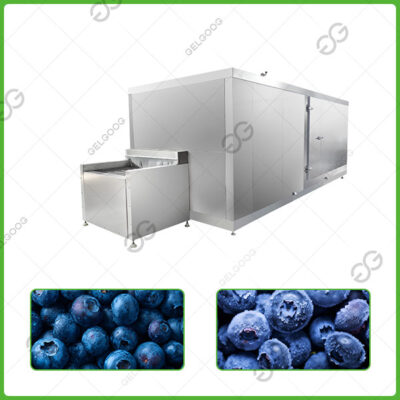
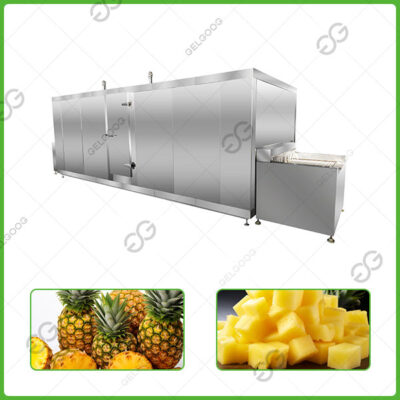
- Quick-freezer: Rapidly freezes the filled mango pulp, enabling the product to proceed to cold storage.
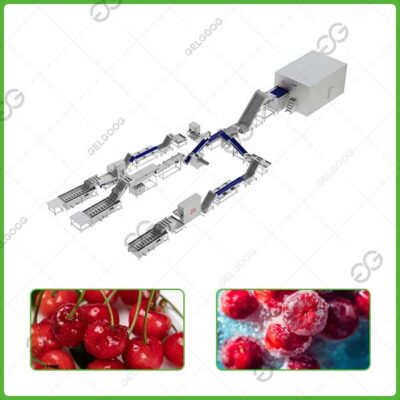
- Depending on the project scale, additional equipment—such as conveyors, filtration units, pulp storage tanks, filling machinery, and cold storage facilities—can be incorporated to create a more comprehensive frozen mango pulp processing system.
Different Mango Varieties Require Different Processing Methods
Different mango varieties vary in terms of flesh thickness, fiber content, pit size, maturity, and pulp yield; consequently, processing steps such as peeling, de-pitting, pulping, and filtration may require adjustment.
Furthermore, customer requirements for the final product influence production line design; therefore, frozen mango pulp production lines are typically customized based on the mango variety, raw material characteristics, target production capacity, finished product specifications, and end-use applications.



Reviews
There are no reviews yet.