
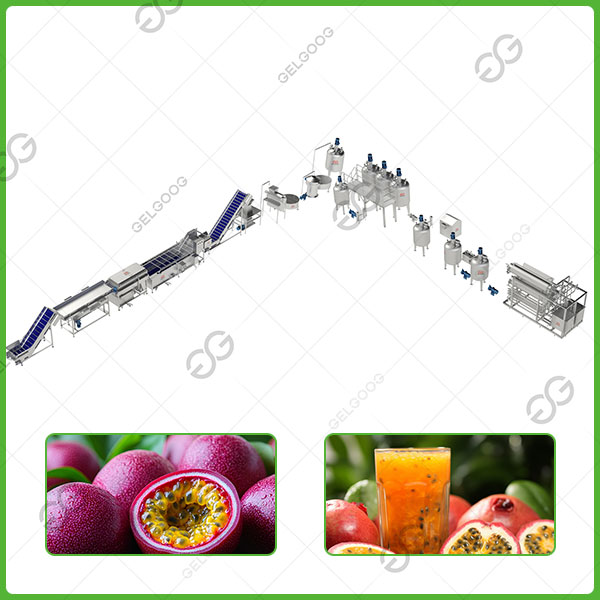
The passion fruit juice production line is an automated system designed to process fresh passion fruit into pulp, juice, concentrate, or frozen pulp. A professional production line not only improves raw material utilization and reduces labor costs but also maximizes the retention of the fruit’s natural aroma, color, and nutritional content through technologies such as low-temperature processing, fine filtration, concentration, and aseptic filling.
A complete passion fruit juice production line typically encompasses processes such as raw material acceptance, grading and sorting, washing, fruit crushing and pulp extraction, seed-pulp separation, enzymatic hydrolysis, filtration, deaeration, concentration, sterilization, and aseptic filling; customized production solutions can be designed based on the client’s capacity requirements.
Passion Fruit Juice Processing Machine Working Flow:
Raw material acceptance → Grading and sorting → Washing → Fruit breaking and pulp extraction → Seed-pulp separation → Enzymatic hydrolysis → Fine filtration → Vacuum degassing → Low-temperature concentration → UHT flash sterilization → Aseptic filling → Cold/frozen storage
Note: The process can be adjusted based on the specific type of final product required by the client. For instance, the concentration step may be omitted when producing frozen passion fruit pulp, whereas the production of export-grade passion fruit juice concentrate requires the inclusion of low-temperature concentration and aseptic filling systems.
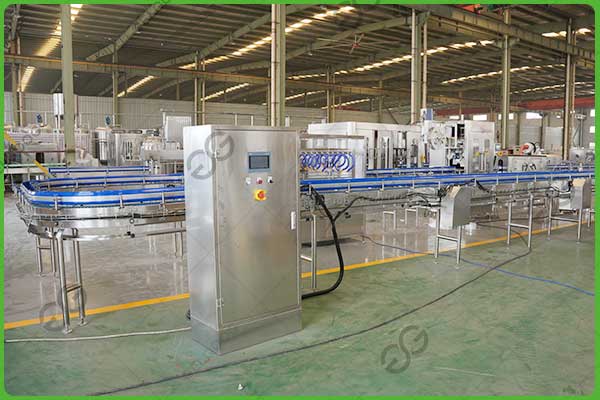
Key Technical Aspects Of The Passion Fruit Juice Production Line:
1. Controlling for rotten fruit is a critical first step.
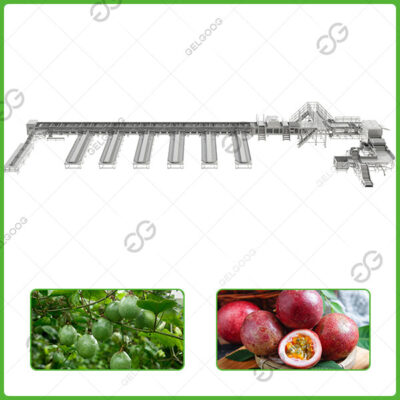
The greatest risk in passion fruit processing stems from the quality of the raw material. If rotten fruit enters the process at the initial stage, it introduces mold, off-flavors, and bitterness—issues that are difficult to fully rectify through downstream processing alone. Therefore, high-quality passion fruit juice processing machine must prioritize raw material inspection, automated sorting, and manual re-inspection to ensure that the fruit entering the production process meets established standards.
2. Preserving Aroma Through Low-Temperature Processing
The aromatic compounds in passion fruit are sensitive to temperature. During processing, strict controls are required to keep the fruit pulp temperature below 10°C; this minimizes the risks of oxidation, aroma loss, and color changes, ensuring the final product retains its natural passion fruit flavor.
3. Selecting the Appropriate Sterilization Method
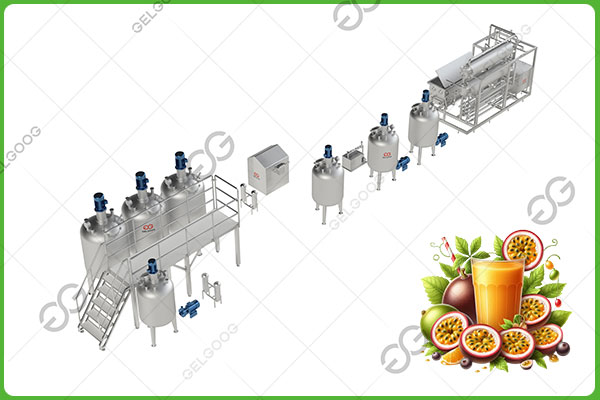
Different products require different sterilization protocols:
Frozen fruit pulp: Pasteurization
Fruit juice concentrate: UHT (Ultra-High Temperature) sterilization
Ready-to-drink fruit juice: UHT + aseptic filling
A scientifically sound choice of process balances food safety with product quality.
4. CIP (Clean-in-Place) System
Passion fruit juice production lines involve extensive piping, storage tanks, and heat exchange equipment, necessitating the installation of an automated CIP system. The CIP system automatically performs water rinsing, caustic washing, acid washing, and disinfection, thereby reducing manual labor and enhancing hygiene standards.
In regions where tropical fruits are processed, high ambient temperatures accelerate microbial growth; consequently, thorough cleaning after each production batch is crucial.
By configuring equipment appropriately, a passion fruit juice processing machine enables the complete processing of fresh fruit into commercial juice products, thereby increasing the fruit’s value-added and helping enterprises establish a stable, efficient passion fruit processing system.




Reviews
There are no reviews yet.