
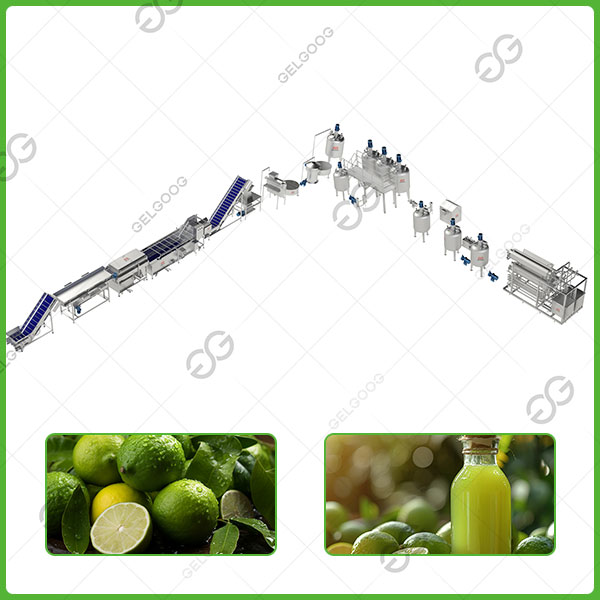
Lime juice is a fruit juice product made primarily from fresh limes through a process that includes washing, juicing, filtering, and sterilization. Compared to lemon juice, lime juice typically possesses a more pronounced citrus aroma and a sharper, more intense acidity. Lime juice is widely used in the beverage, seasoning, and food processing industries.
Key applications for lime juice include:
- Beverage production: Used in the creation of lime-based drinks, carbonated beverages, fruit-flavored teas, cocktails, and blended fruit juices.
- Food seasoning: Utilized in salad dressings, marinades, sauces, and various food formulations.
- Food processing: Serving as a natural acidulant in products such as confectionery, jellies, ice cream, and baked goods.
Depending on market demand, lime juice can be processed into raw (unfiltered) juice, clarified (filtered) juice, juice containing pulp, or concentrated juice. Each product type requires specific equipment configurations and processing techniques.
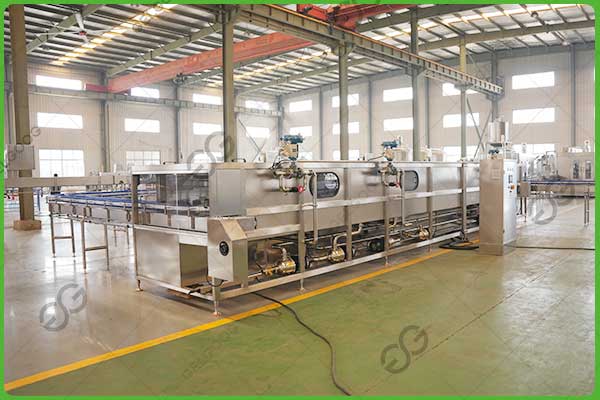
Main Processing Workflow for Lime Juice:
A complete lime juice production line typically includes stages such as raw material washing, sorting, juicing, filtration, homogenization, sterilization, and filling. The specific process can be adjusted based on the characteristics of the raw materials and the requirements for the final product.
- Raw Material Washing
The raw materials are first thoroughly cleaned using bubble washers and spray washers. The agitation from air bubbles combined with high-pressure water sprays removes surface contaminants, ensuring clean raw materials for subsequent processing.
- Sorting and Selection
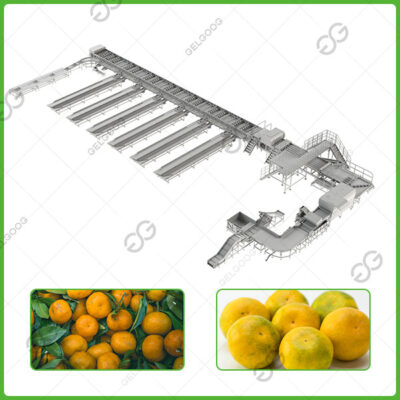
After washing, the limes undergo a sorting process—either manually or via automated sorting equipment—to remove any rotten, damaged, or substandard fruit. Additionally, the fruit can be graded based on size and ripeness, which helps ensure greater consistency during the subsequent juicing stage.
- Juicing
Juicing is the core stage in a lime juice production line. Specialized lime juicer is used to extract the juice; by carefully controlling the extraction pressure and processing method, the inclusion of essential oils from the peel, peel tissue, and bitter compounds is minimized, thereby preserving the original flavor and quality of the lime.
- Filtration and Pulp Separation
After juicing, lime juice may contain seeds, coarse fibers, and larger pulp particles. These unwanted components can be removed using filtration or refining equipment.
- Homogenization and Deaeration (Optional)
For lime juice products that require improved mouthfeel and stability, a homogenizer can be employed to ensure a more uniform distribution of fine particles. Deaeration equipment is used to reduce dissolved oxygen in the juice, thereby minimizing the impact of oxidation on its color, aroma, and flavor.
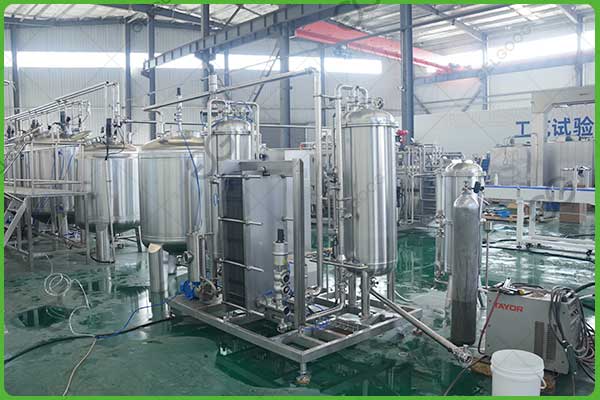
- Pasteurization
To control microbial populations and extend the product’s shelf life, lime juice must undergo pasteurization. Manufacturers should determine the appropriate pasteurization temperature and duration based on the product’s acidity, the chosen packaging method, and the target shelf life.
- Filling and Packaging
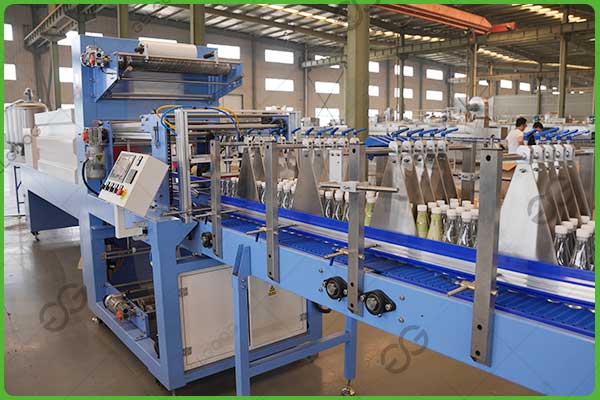
Once pasteurized, the lime juice proceeds to the filling stage. Depending on the product positioning and sales channels, options for packaging include glass bottles, plastic bottles, composite pouches, food-grade drums, or aseptic packaging.
Configuration Requirements for Lime Juice Production Lines
1. Configure equipment based on target production capacity
Lime juice processing plants of different scales have varying requirements for equipment throughput. The processing capacity of the equipment must be well-matched across the juicing, filtration, sterilization, and filling stages to prevent production bottlenecks.
2. Select the process based on product type
For the production of raw lime juice, the focus should be on juicing efficiency and the preservation of the juice’s natural flavor. If producing clarified lime juice, the filtration and refining stages must be enhanced. For lime juice containing pulp, the degree of filtration should be carefully controlled, and appropriate homogenization equipment should be incorporated.
3. Prioritize material quality and hygienic design
Components that come into contact with food should be made of 304 stainless steel. Furthermore, the lime juice production line should be designed for easy cleaning, maintenance, and inspection. For large-scale production, a Clean-in-Place (CIP) system can be integrated to reduce the need for manual cleaning.
Lime Juice Production Line FAQ
Q1: Can the lime juice production line process other citrus fruits?
Yes. Depending on the equipment configuration and the juicing process, the production line can also be used to process other citrus fruits, such as lemons, oranges, and grapefruits. The equipment can be adjusted based on the size of the raw materials and specific product requirements.
Q2: What is the production capacity of the lime juice production line?
The production capacity can be customized to meet client needs. The line can achieve a capacity of up to 10 tons per hour.
Q3: Can lime juice be processed into concentrated juice?
Yes. If concentrated lime juice is required, vacuum concentration equipment can be added to the standard juicing and filtration setup. By carefully controlling the concentration conditions, flavor loss can be minimized.




Reviews
There are no reviews yet.