
Cherries are prized for their tender, juicy texture and vibrant color, yet they are highly seasonal and have demanding storage and transport requirements after harvest. If not sold promptly, they are susceptible to the effects of temperature, humidity, and storage duration. Consequently, for cherry growers and processors, transforming fresh cherries into quick-frozen products offers a way to extend the supply period and expand sales channels.
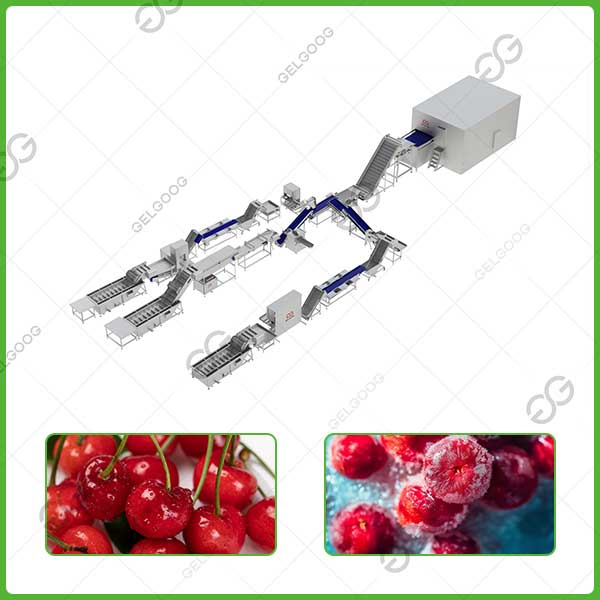
The frozen cherry processing line is primarily used to wash, surface-dry, rapidly freeze, and package selected fresh cherries, transforming them from seasonal fresh fruit into a frozen product suitable for cold-chain storage and subsequent processing.
1. Why is the processing of frozen cherries necessary?
Cherry harvest periods are relatively concentrated, whereas market demand is not entirely concentrated within the same timeframe. Quick-freezing enables processing enterprises to reduce their reliance on short-term fresh fruit sales.
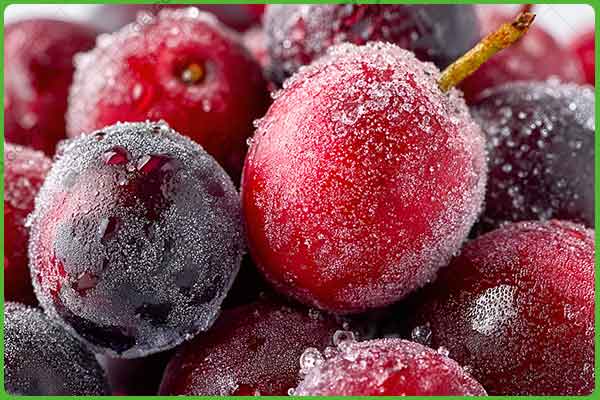
Rapid freezing allows the temperature of the cherries to be lowered quickly, bringing the product into a stable state for frozen storage. Compared to relying solely on fresh fruit sales, quick-frozen cherries are better suited for long-distance cold-chain transport and allow processing enterprises to manage inventory and sales in alignment with market demand.
2. Key processing steps for frozen cherries
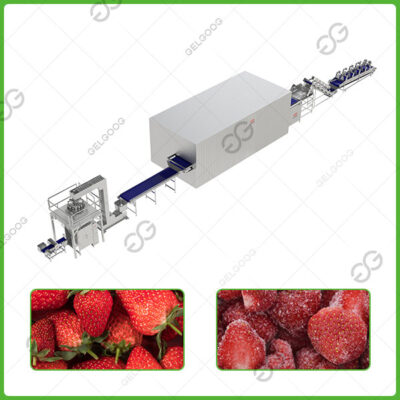
A standard frozen cherry production line for cherries typically consists of several core stages: washing, air-drying, IQF, and packaging. If the production of pitted cherries is required, a pitting step can be added after the washing stage.
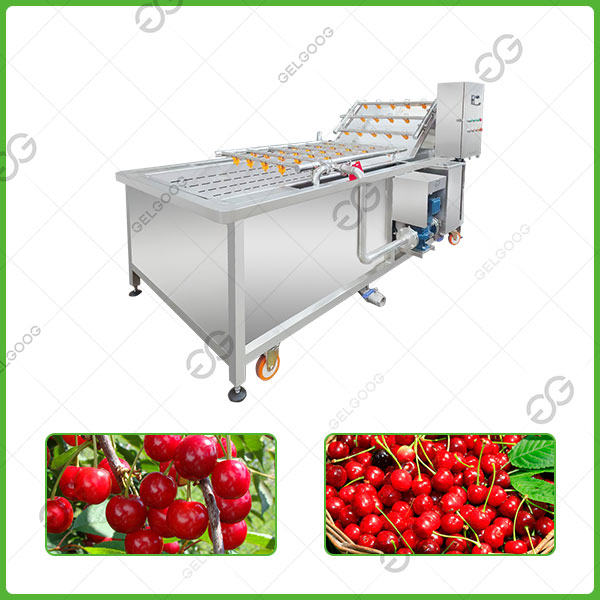
Washing: Removing Surface Impurities
Upon arrival at the processing plant from the orchard, the cherries must first undergo washing. Cherry washing equipment utilizes water flow and spraying to remove soil, dust, and other impurities adhering to the fruit’s surface during harvesting. Depending on the specific characteristics of the cherries, this stage can be integrated with conveying and sorting processes to eliminate fruit that clearly fails to meet requirements, thereby ensuring more consistent raw material quality for the subsequent freezing stage.
Air-drying: Reducing Surface Moisture
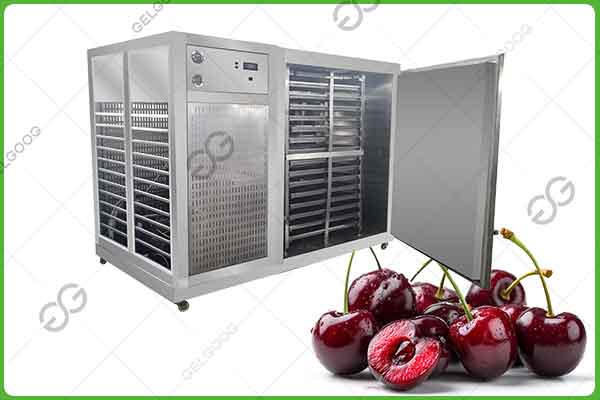
After washing, residual moisture remains on the surface of the cherries. If they were to enter the iqf cherries machine directly, the excess free water could increase the equipment’s load and interfere with subsequent packaging operations. Therefore, frozen cherry processing lines typically include an air-drying stage. Airflow is used to remove surface moisture, preparing the cherries for quick-freezing while minimizing mechanical impact.
IQF: Rapid Core Freezing
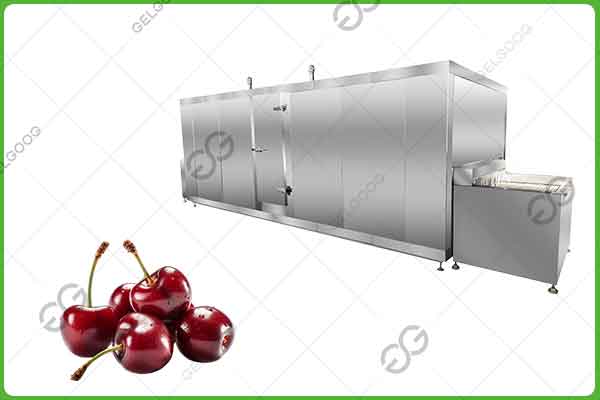
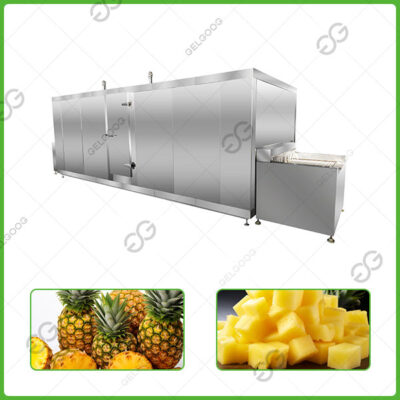
IQF is a critical stage in the frozen cherry processing line. After undergoing preliminary processing, the cherries enter the rapid freezing equipment, where they are quickly frozen at a temperature of -18°C.
Compared to slow freezing, IQF reduces the time the product spends in the freezing zone, helping to achieve a state better suited for commercial frozen products. In industrial production, freezing parameters are typically adjusted based on factors such as cherry size, infeed temperature, production capacity, and final product specifications.
Packaging: Facilitating Storage and Sales
Once frozen, the cherries proceed to the packaging stage. Depending on product specifications, equipment for automatic weighing, filling, and sealing can be utilized to package the cherries into formats suitable for retail or the food industry. Following packaging, the products enter cold storage and cold-chain transport, ultimately supplying supermarkets, foodservice providers, food processing plants, and other end markets.
3. Frozen Cherry Processing Line Features:
- This IQF cherries machine is not limited to a single variety; processing parameters can be adjusted based on the specific characteristics of the raw material. It is suitable for various types of cherries—such as tart cherries and dark sweet cherries—offering enterprises greater flexibility in product processing.
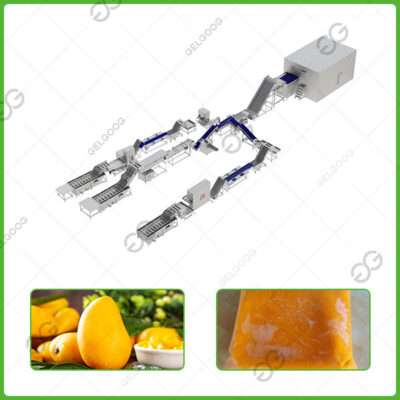
- The process configuration is highly adaptable. A standard setup includes washing, air-drying, quick-freezing, and packaging; however, additional equipment can be integrated if pitted products are required. Production line layouts can also be customized to accommodate varying production capacities, facility constraints, and levels of automation.
- Fruit processing enterprises often need to handle different raw materials depending on the season. Consequently, the freezing line is designed to support multi-variety production. With the appropriate configuration, it can process not only cherries but also berries such as blueberries and strawberries, thereby helping enterprises maximize equipment utilization.
4. Which enterprises is it suitable for?
The frozen cherry processing line is suitable for cherry orchards, fruit and vegetable processing plants, frozen fruit producers, food ingredient suppliers, and food companies that need to establish their own fruit processing facilities.


Reviews
There are no reviews yet.