
In the fruit processing workflow, fruit sorting has gradually evolved from an “optional step” into a “core stage.” Whether the fruit is destined for the fresh market or for deep processing (such as into juice, canned goods, or dried fruit), grading is becoming increasingly important.
Why fruit sorting is important?
Fruit naturally exhibits significant variation; even within a single batch of harvested produce, there are differences in size, ripeness, and visual quality. Failure to grade the fruit leads to the following issues:
- Inconsistent quality, which damages brand image.
- Difficulty in standardizing prices, reducing overall profit.
- Increased losses during transportation and storage.
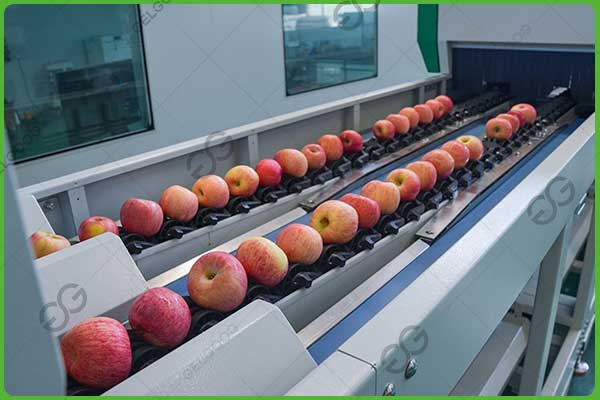
Key Purposes of Fruit Sorting:
1. Sorting by size: Achieving product standardization and packaging uniformity
Size is a highly intuitive and fundamental sorting criterion. Sorting by size allows for greater consistency in fruit packaging, pricing, and sales.
Standardizing specifications enhances packaging aesthetics, minimizes losses caused by empty space during transport, and improves the efficiency of automated packaging.
2. Sorting by Appearance: Enhancing Product Value and Market Acceptance
Appearance is the primary criterion for consumer assessment, encompassing factors such as skin color, shape integrity, and the absence of bruises, insect marks, or indentations.
The core value of appearance-based sorting lies in preventing substandard products from entering high-end sales channels.
3. Sorting by defects: Reducing waste and food safety risks.
Defect sorting primarily identifies issues such as mechanical damage, areas of rot, black spots, mold, and insect damage.
This step aims to mitigate the risk of “chain-reaction spoilage” during storage and enhance the stability of raw materials for processing.
4. Sorting by Sugar Content: Standardizing Taste and Enabling High-Value Sales
Sugar content is a key indicator influencing fruit flavor, particularly in the premium fruit market (e.g., mangoes, pineapples, and citrus).
Sorting based on sugar content allows high-sugar fruit to be directed to the premium fresh-produce market, medium-sugar fruit to general retail, and low-sugar fruit to juice production or other processed products.
Functions of Modern Sorting Equipment:
With the advancement of automation technology, fruit sorting has evolved from manual processes to intelligent systems. Common equipment includes:
Weight graders (sorting by weight)
Vision-based inspection and sorting machines (identifying appearance and defects)
Brix (sugar content) inspection and sorting systems (using near-infrared technology)
Multi-lane automatic sorting conveyor linesThese devices enable highly efficient, continuous processing, reduce human error, and enhance the overall standardization of the production line. Please feel free to leave us a message if you would like more information.