
Lemon juice is a versatile product, widely used in beverages, food seasoning, culinary preparations, and the production of juice concentrates. So, what are the steps of making lemon juice? Below, we will outline the key stages of the production process.
1. Raw Material Receiving and Sorting
The first step in lemon juice production is receiving fresh lemons and conducting a quality inspection of the raw materials. Lemons are typically screened based on factors such as variety, ripeness, size, and physical appearance. Any lemons that are rotten, moldy, severely damaged, or contaminated must be promptly removed to prevent them from negatively affecting subsequent processing stages or the quality of the final product.
2. Lemon Washing
Lemons are agitated by water flow and air bubbles, ensuring thorough contact with the water to help remove surface dirt. For production processes that involve further treatment of the peel, the cleaning method should be selected based on the intended use of the product and relevant food safety requirements.
3. Lemon Juicing
Juicing is one of the most critical stages in the production of lemon juice, as it directly influences juice yield, quality, and flavor. Typically, extraction is carried out through pressing or centrifugal methods, which help minimize the inclusion of peel, seeds, and other unwanted components in the final juice.
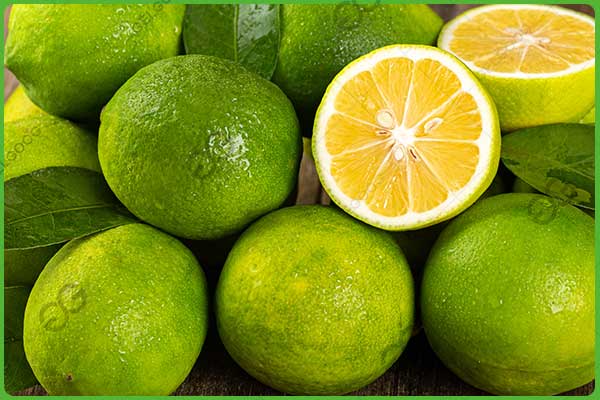
4. Juice Filtration and Clarification
Lemon juice obtained after extraction typically contains pulp particles, seed fragments, peel residue, and other suspended solids, necessitating a filtration process.
5. Blending and Homogenization
For pure lemon juice products, the juice can proceed directly to subsequent processing stages after filtration. In the case of lemon-based beverages or blended fruit juices, a blending process is typically required. During this stage, appropriate amounts of water, sugar, or other permitted food ingredients may be added—in accordance with the product formulation—to adjust acidity, sweetness, and flavor.
6. Pasteurization of Fruit Juice
To reduce microbial risks and extend product shelf life, factories typically subject lemon juice to appropriate heat treatment.
7. Filling and Packaging of Lemon Juice
Following pasteurization, the lemon juice proceeds to the filling stage. Depending on the product type and the target market, it may be packaged in bottles, pouches, cartons, or other suitable formats.
The lemon juice production line seamlessly integrates these processing stages, reducing the need for manual labor and enhancing production efficiency. Furthermore, this line can also be used to process other citrus fruits, such as limes and oranges. Please leave us a message if you would like more information.