
Before entering the market, avocados typically undergo a rigorous sorting and grading process. The main purpose of grading is to ensure that avocados of different qualities and sizes are distributed through appropriate sales channels, thereby increasing their selling price. So, what issues should be considered during the sorting and grading of avocado?
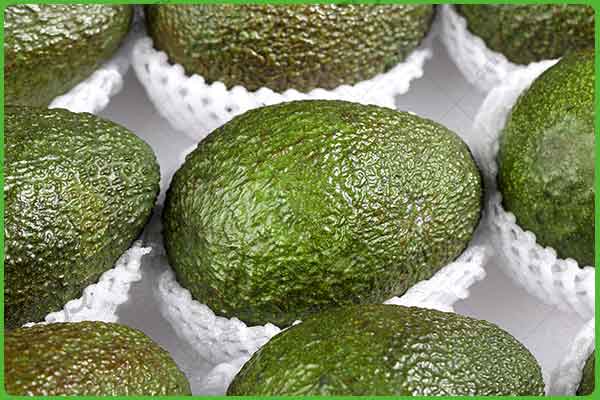
Main sorting and grading standards:
Avocado grading typically uses two main standards: size and weight.
Grading by Size: Avocado size directly affects its appearance and packaging. Generally, avocados are sorted by volume. Larger avocados are sold fresh, while smaller ones are used for sauces or other processing purposes.
Grading by Weight: Automated weighing and grading systems can accurately sort avocados into different grades based on pre-set weight ranges (e.g., 100g, 200g, 300g, etc.).
Grading by Ripeness and Appearance: In addition to size and weight, some processing plants also sort avocados based on ripeness, skin color, firmness, and other indicators.
Precautions during sorting and grading of avocado:
Avoid damage: Avocados have thin skin and soft flesh, making them easily damaged during handling, conveying, and sorting.
Maintain a clean sorting environment: The sorting area should be kept hygienic and dry to prevent dust and bacteria from contaminating the fruit. Clean the sorting equipment and conveyor belts regularly.
Control temperature and humidity: Avocados are sensitive to ambient temperature; avoid high temperatures or direct sunlight during sorting. It is generally recommended to maintain the temperature between 15 and 25°C.
With the development of grading technology, more and more avocado processing plants are introducing intelligent sorting and grading systems to improve sorting consistency, reduce manual labor intensity, and enhance grading efficiency and product value.