
As the juice beverage, fruit-flavored dairy, ice cream, bakery, and foodservice industries continue to grow, the seasonal availability of fruit ingredients presents a challenge for processing companies. Frozen fruit pulp—produced by processing fresh fruit into pulp and preserving it at low temperatures—overcomes seasonal limitations, enabling food companies to maintain standardized production throughout the year.
For fruit growers, fruit pulp processors, and beverage manufacturers, frozen fruit pulp is not only a semi-finished fruit product but also an industrial raw material that is convenient to store, transport, and process further.
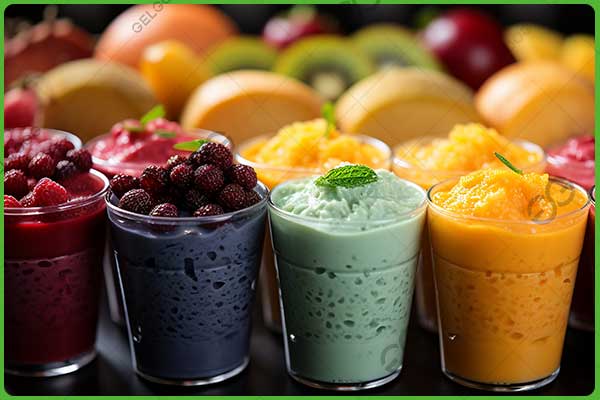
What is frozen fruit pulp?
Frozen fruit pulp is a processed fruit product made primarily from ripe fruit. The edible portions of the fruit are processed into a pulp—through steps such as sorting, washing, peeling, pitting, and pulping or crushing—and then undergo homogenization, pasteurization, and freezing.
What is frozen fruit pulp used for?
The value of frozen fruit pulp lies in providing downstream food enterprises with a fruit ingredient that is available year-round and facilitates standardized production.
① Fruit Juices and Fruit-Flavored Drinks
Frozen fruit pulp can be used to produce fruit juice drinks, beverages containing fruit pulp, fruit-flavored drinks, NFC (Not From Concentrate) products, and blended fruit juices. Manufacturers can blend pulp from different fruits according to their formulations to develop beverages with diverse flavor profiles.
② Ice Cream and Frozen Desserts
Fruit pulp—such as mango, strawberry, blueberry, raspberry, and passion fruit—are commonly used in products like ice cream, popsicles, sorbets, and fruit-flavored yogurt-based frozen treats to impart fruit flavor and color to the final products.
③ Yogurt and Dairy Products
Properly processed fruit pulp can serve as a fruit ingredient for yogurt, milk-based beverages, and other dairy products. Common applications include strawberry, mango, and blueberry yogurts.
④ Baking and Desserts
Frozen fruit pulp can be used in cake fillings, mousses, jellies, jams, cream fillings, pie fillings, and fruit-based desserts. For foodservice and bakery businesses, standardized fruit pulp helps reduce the daily workload associated with processing fresh fruit.
⑤ Jams and Fruit Sauces
Frozen fruit pulp can be further cooked, concentrated, and blended to produce jams, fruit fillings, and various fruit sauces—such as mango, strawberry, and passion fruit varieties.
Consequently, frozen fruit pulp serves as a valuable raw material for both the food processing industry and restaurant chains seeking to standardize product manufacturing.
What are some common types of frozen fruit pulp?
Fruit resources and consumption habits vary by region, resulting in a wide variety of frozen fruit pulp available on the market. The following types are commonly used in the food industry:
- Mango pulp
- Strawberry pulp
- Passion fruit pulp
- Banana pulp
- Pineapple pulp
- Blueberry pulp
- Raspberry pulp
The core value of frozen fruit pulp lies not merely in extending shelf life, but in transforming seasonal fresh fruit into a standardized raw material suitable for storage, transport, formulation, and industrial-scale production. Frozen fruit pulp serves a wide range of downstream applications, spanning beverages, ice cream, and yogurt to bakery products, jams, and foodservice drinks. Our frozen fruit pulp processing lines enable you to convert fresh fruit into frozen fruit pulp.