
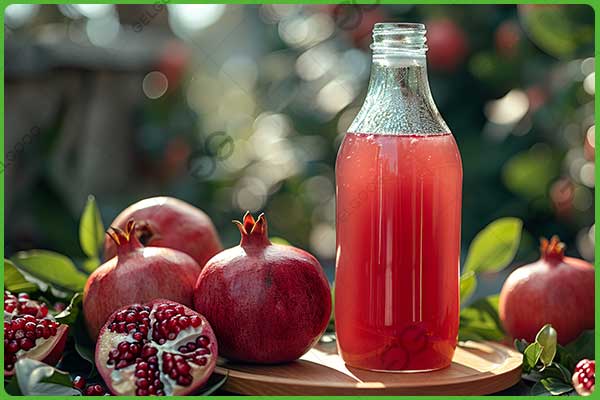
Pomegranate juice is loved by consumers for its vibrant color, unique flavor, and high antioxidant content. But how is pomegranate juice made in the factory? The production process typically includes: peeling, seed removing, juicing, filtering, sterilization, and bottling. Each step plays a crucial role in ensuring the quality and safety of the final pomegranate juice.
- Peeling—Removing the outer peel while retaining the usable pulp. Once fresh pomegranates arrive at the factory, they are first washed to remove surface impurities. Then they enter the peeling process, where automated peeling equipment removes the thick, bitter peel, ensuring smoother subsequent seed removal and juicing.
- Seed Removal—Separating Seeds from the Membrane. Pomegranates have a unique structure with densely packed seeds covered by a thin membrane, making seed removal a crucial step. Automatic pomegranate seed removers are typically used to peel the seeds from the peel and membrane.
- Juicing—crushing the seeds and pressing out the juice. Pomegranate seeds are fed into a juicer for crushing and pressing to maximize the extraction of pomegranate juice.
- Filtration—Removing Impurities and enhancing the flavor of pomegranate juice. the extracted juice contains pulp, seeds, and fiber, so it needs to be filtered. Filtered pomegranate juice is clearer and more transparent.
- Sterilization—Ensuring food safety and extending shelf life. To prevent microbial growth and extend product shelf life, pomegranate juice requires sterilization. The sterilization method will be adjusted based on the client’s product positioning and packaging.
- Filling—Sealing and packaging the finished pomegranate juice. After sterilization, the pomegranate juice immediately enters the aseptic filling system to avoid oxidation and secondary contamination.
Although the basic processing steps for pomegranate juice are similar, the actual process can vary depending on different production requirements. For example, the processes for producing undiluted juice, concentrated juice, and mixed juice are different. This will affect the actual equipment combination and production process.Our engineers will design a pomegranate juice processing solution that better suits the customer’s needs, taking into account factors such as the characteristics of the raw materials, production capacity requirements, and target market, to ensure stable and efficient operation of the production line and better product quality.